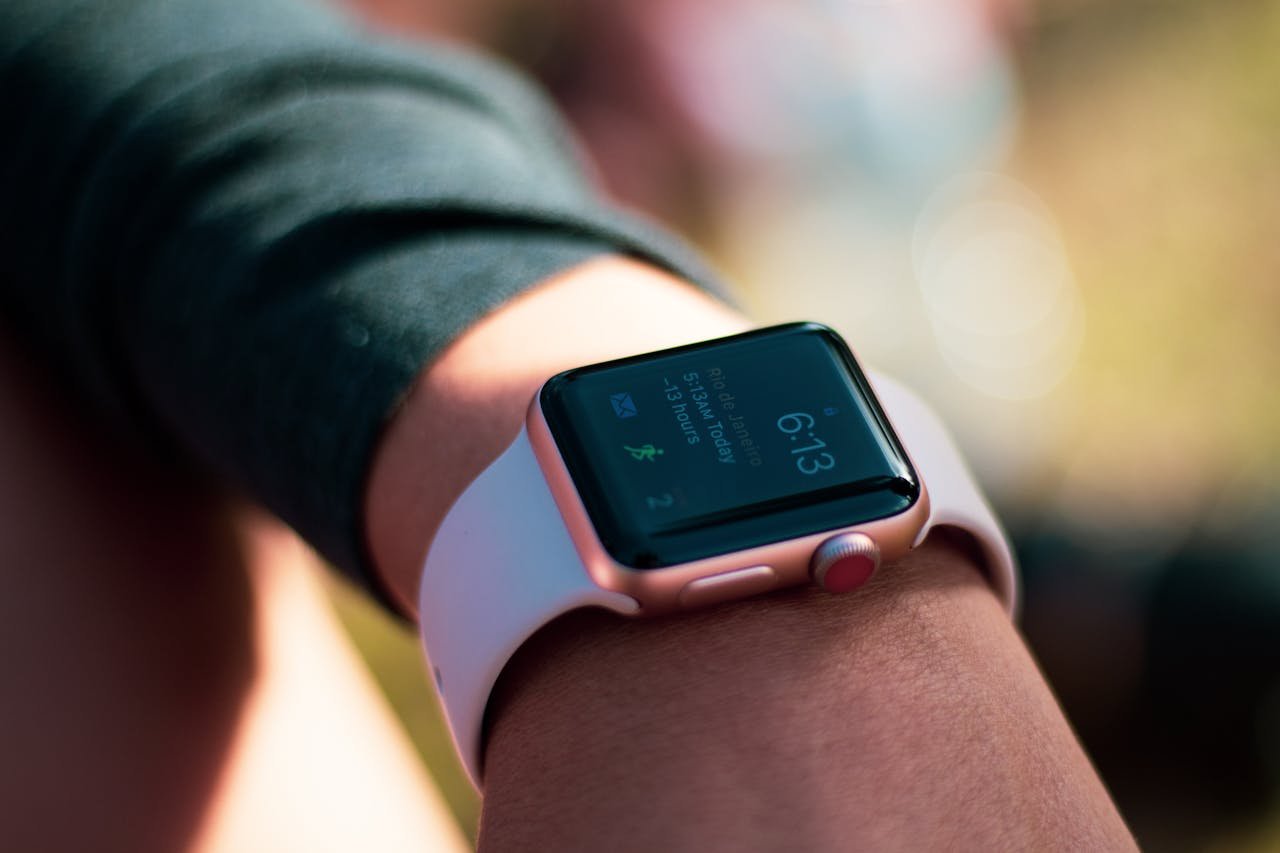
Smartwatches have evolved far beyond simple step counters. In 2026, they function as powerful wearable companions that monitor health, manage daily tasks, support communication, and even enhance safety. With improved sensors, AI-driven insights, and longer battery life, smartwatches have become more capable than ever.
However, like any technology, they come with both advantages and drawbacks. Understanding the pros and cons can help you decide whether a smartwatch fits your lifestyle and needs.
Modern smartwatches integrate advanced features such as real-time health monitoring, smart notifications, voice assistance, contactless payments, and safety alerts. Many models also offer improved durability, better battery efficiency, and deeper integration with smartphones and smart home ecosystems.
Their ability to combine health, productivity, and convenience into a single wearable device is driving widespread adoption.
Smartwatches now provide detailed health insights including:
These features help users become more aware of their health and encourage healthier habits.
Fitness tracking has become more accurate with AI-powered analytics.
Benefits include:
This makes smartwatches valuable tools for maintaining an active lifestyle.
Smartwatches keep users connected without constantly checking their phones.
You can:
This improves convenience and reduces screen time on smartphones.
Many smartwatches now include safety-focused features such as:
These tools provide reassurance for seniors, travelers, and outdoor enthusiasts.
In 2026, smartwatches support digital wallets, enabling quick and secure payments. Additional features include:
They serve as miniature productivity hubs on your wrist.
Battery technology has improved, with many devices lasting several days on a single charge. Enhanced water resistance and rugged builds also make them suitable for outdoor use.
Despite improvements, most smartwatches still require charging every few days, which may be inconvenient for some users.
Smartwatches collect sensitive health and location data. Without proper privacy settings, personal data could be vulnerable to breaches or misuse.
Advanced models with ECG, LTE connectivity, and premium materials can be expensive. Budget models exist, but they may lack advanced features.
Many features still require a smartphone connection. Limited functionality may occur if the watch is not paired with a compatible device.
Although screens are improving, smartwatches are not ideal for reading long messages, typing replies, or performing complex tasks.
Constant notifications and alerts may lead to interruptions and digital overload if not managed properly.
A smartwatch may be ideal for:
However, minimalists or users seeking fewer digital distractions may find them unnecessary.
Selecting the right smartwatch ensures better value and satisfaction.
Smartwatches in 2026 are more powerful and versatile than ever, offering meaningful health insights, productivity tools, and safety features in a compact wearable device. They can simplify daily life, support fitness goals, and enhance personal safety.
At the same time, considerations such as cost, battery life, and privacy should not be overlooked.
Ultimately, the value of a smartwatch depends on how well its features align with your lifestyle. For many users, it is no longer just a gadget — it is a daily companion that supports smarter living.
Q1. Are smartwatches worth buying in 2026?
Yes, they offer health monitoring, fitness tracking, smart notifications, and safety features that make daily life more convenient.
Q2. What are the main advantages of smartwatches?
They provide health insights, fitness tracking, connectivity, safety alerts, and contactless payments in a compact wearable device.
Q3. What are the disadvantages of smartwatches?
Common drawbacks include frequent charging, privacy concerns, high costs for premium models, and limited functionality without a smartphone.
Q4. Can a smartwatch work without a smartphone?
Basic features work independently, but full functionality like calls, apps, and syncing requires smartphone pairing.
Q5. Do smartwatches improve health and fitness?
They help track activity, monitor heart rate, analyze sleep, and encourage healthier habits through reminders and insights.
To know more about our platform, visit our About Us page.


Comments