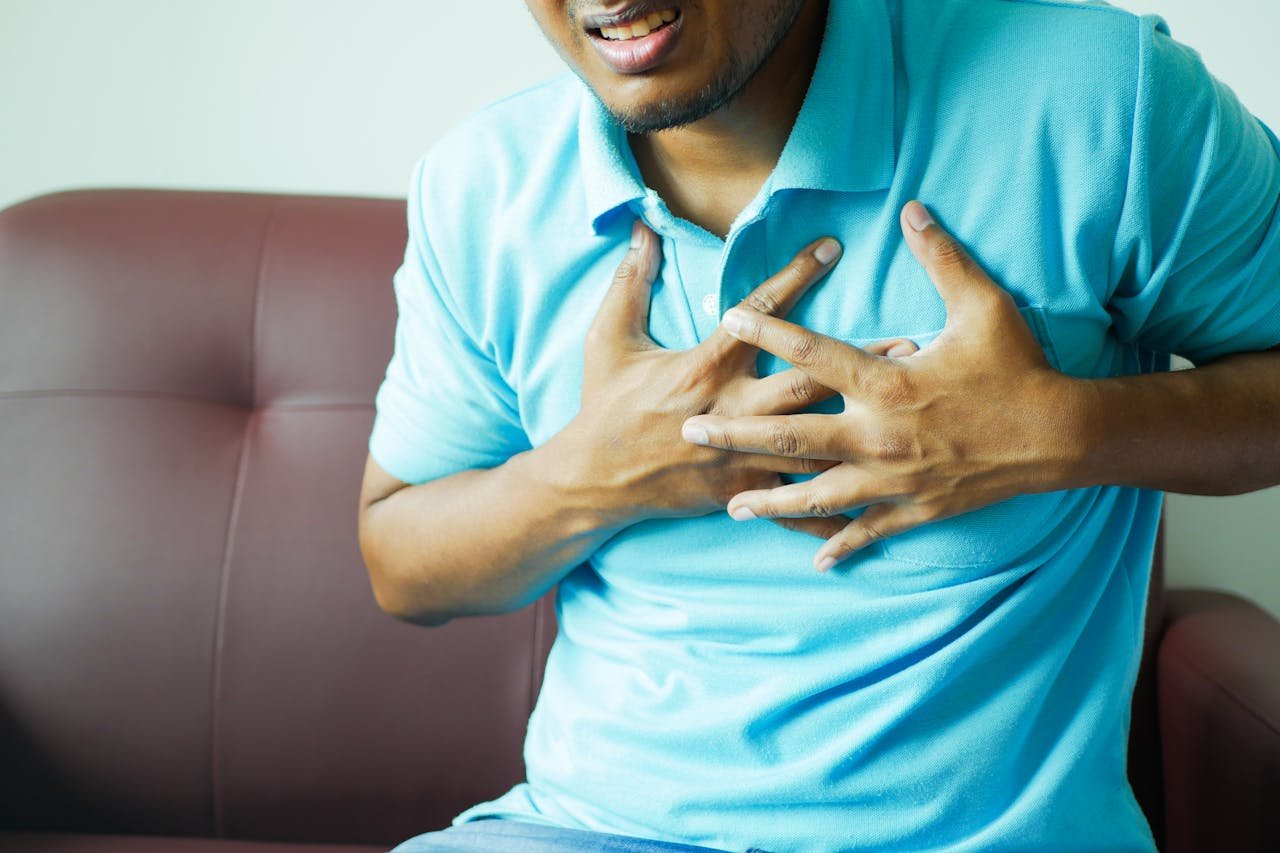
A heart attack can feel sudden, terrifying, and overwhelming — especially if you’re alone at home. In those first few minutes, panic can take over. But what you do immediately can make a life-saving difference.
Knowing the warning signs and acting quickly is critical. This guide explains, in clear and practical terms, what steps to take if you suspect you’re having a heart attack and no one else is around.
Not all heart attacks look the same. Symptoms can vary, especially in women, older adults, and people with diabetes.
Common warning signs include:
If something feels seriously wrong, trust your instincts. It’s better to act and be wrong than to delay and risk your life.
Do not wait to “see if it passes.”
Call your local emergency number right away (for example, 911 in the U.S., 112 in many countries, 108 in India).
If possible:
Time is muscle. The faster treatment begins, the more heart tissue can be saved.
Do not continue walking around or performing tasks.
Sit down, preferably in a semi-reclined position with your back supported and knees slightly bent. This reduces strain on the heart.
Try slow breathing:
Staying calm helps reduce additional stress on your heart.
If you are not allergic and have no medical reason to avoid it:
OR
Chewing helps it absorb faster. Aspirin works by slowing blood clot formation, which may limit heart damage.
Do not take aspirin if:
Do not attempt to drive to the hospital unless absolutely unavoidable.
You could lose consciousness while driving, putting yourself and others at risk. Ambulances are equipped with lifesaving equipment and trained professionals.
If you begin to feel weaker:
If you feel faint, lie down to prevent injury from falling.
If you pass out and no one is around, survival depends on how quickly emergency responders arrive.
This is why calling immediately is the most critical step. Modern emergency systems can trace your location in many areas, but giving clear information helps speed things up.
You may have seen advice online suggesting forceful coughing repeatedly during a heart attack.
This is not recommended for people alone at home. “Cough CPR” is only used in very specific monitored medical situations under professional supervision. It should not replace calling emergency services.
If you survive a heart attack, ongoing care is essential.
This often includes:
Recovery doesn’t end at the hospital. Long-term prevention becomes your new priority.
If you live alone, preparation can save precious minutes:
Prevention and preparedness reduce risk significantly.
You may have increased risk if you:
Knowing your risk helps you stay proactive.
A heart attack is a medical emergency — but it is not always instantly fatal. Quick action can dramatically improve survival chances.
If you are alone at home and suspect a heart attack:
You cannot control when an emergency happens, but you can control how prepared you are. Learning these steps today could save your life tomorrow.
Q1. What should I do first if I think I’m having a heart attack?
Call emergency services immediately. Do not wait to see if symptoms go away. Early medical treatment greatly improves survival chances.
Q2. Should I take aspirin during a heart attack?
If you are not allergic and your doctor hasn’t advised against it, chewing an aspirin can help slow clot formation. Always follow medical guidance.
Q3. Is it safe to drive myself to the hospital?
No. Driving during a heart attack is dangerous because you may lose consciousness. Call an ambulance instead.
Q4. What are the early warning signs of a heart attack?
Chest pressure, pain spreading to the arm or jaw, shortness of breath, nausea, sweating, dizziness, and unusual fatigue are common symptoms.
Q5. Can a heart attack happen without severe chest pain?
Yes. Some people, especially women and older adults, may experience mild or unusual symptoms like fatigue, nausea, or shortness of breath.
Disclaimer: This article is for informational purposes only and does not replace professional medical advice. In any medical emergency, contact emergency services immediately.
To know more about our platform, visit our About Us page.


Comments