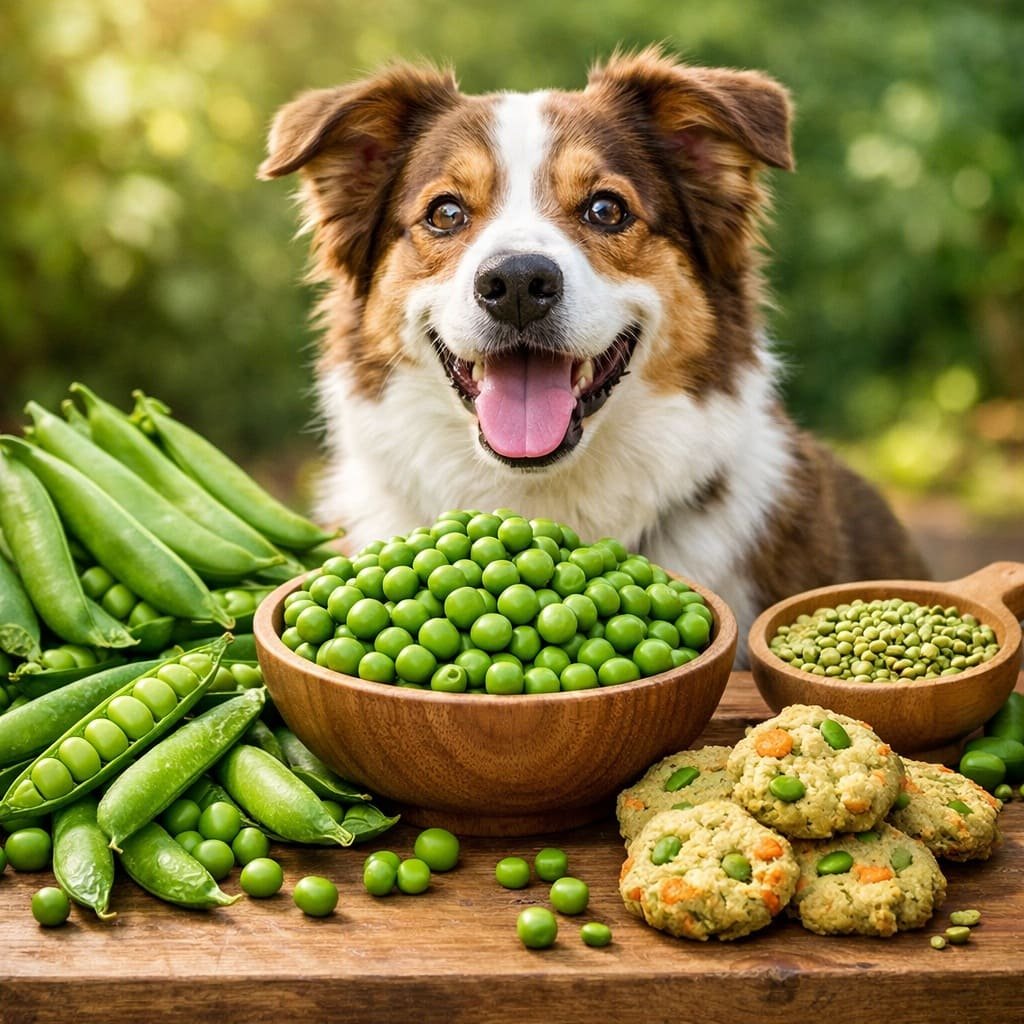
Peas are small, green, nutrient-rich vegetables that many humans enjoy, but pet owners often wonder whether they are safe for dogs. Packed with vitamins, minerals, and fiber, peas can provide health benefits—but not all types of peas are suitable for every dog. In this guide, we’ll explore the types of peas, their nutritional value, benefits, risks, and how to safely include them in your dog’s diet.
There are several types of peas commonly found in households and pet foods:
Important: Avoid canned peas with added salt, seasoning, or sauces, as these can harm your dog.
Peas are considered a superfood for dogs when given in moderation. They are:
Including peas in your dog’s diet can offer several advantages:
While peas are generally safe, there are a few precautions:
To maximize benefits and minimize risks, follow these guidelines:
You can incorporate peas into dog-friendly treats:
These treats are healthy, low-calorie, and enjoyable for most dogs.
Peas are a safe and nutritious addition to most dogs’ diets when served plain and in moderation. They provide vitamins, fiber, and antioxidants that promote overall health. However, as with any human food, it’s important to introduce peas gradually, watch for digestive issues, and consult your veterinarian if your dog has existing health conditions.
With proper preparation and portion control, peas can be a tasty, healthy snack your furry friend will love.
Q1. Can all dogs eat peas?
Most dogs can safely eat peas, but moderation is key. Small dogs and puppies may need peas mashed to prevent choking.
Q2. Are canned peas safe for dogs?
Canned peas with added salt, sugar, or seasonings should be avoided. Stick to fresh or plain frozen peas.
Q3. How many peas can I feed my dog daily?
A few tablespoons per day for medium dogs is enough. Treat peas as a supplement, not a main food source.
Q4. Can peas cause digestive issues in dogs?
Yes, overfeeding peas may lead to gas, bloating, or diarrhea. Introduce gradually to avoid stomach upset.
Q5. Can peas help my dog’s health?
Yes, peas provide fiber, vitamins, protein, and antioxidants that support digestion, immunity, and eye health.
Disclaimer: This article is for informational purposes only. Always consult your veterinarian before introducing new foods to your dog’s diet.
Image Credits: Created by ChatGPT using DALL·E (OpenAI).
To know more about our platform, visit our About Us page.


Comments