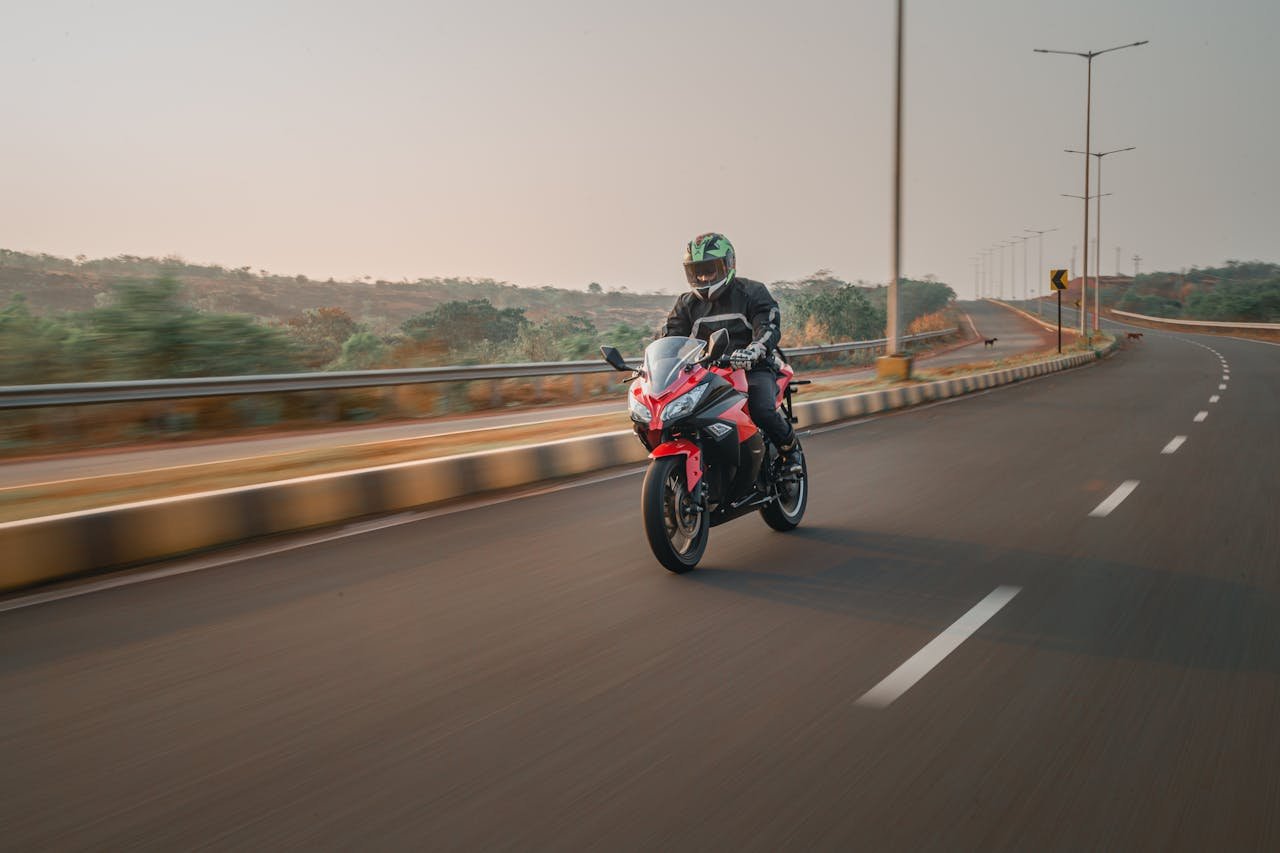
Owning a motorcycle or scooter offers convenience, affordability, and flexibility for daily travel in India. However, along with the freedom of riding comes legal responsibility and financial risk. To protect riders, pedestrians, and property, the Government of India has made bike insurance mandatory for all two-wheelers operating on public roads.
Understanding why bike insurance is compulsory — and how it protects you — can help you stay compliant, avoid penalties, and safeguard yourself from unexpected expenses.
As per the Motor Vehicles Act, 1988, every motor vehicle used on public roads must have at least third-party insurance coverage.
This rule exists to ensure that victims of road accidents receive compensation for injury, death, or property damage.
Without valid insurance, riding a bike is illegal in India.
Failing to carry valid bike insurance can result in serious legal consequences.
Penalties include:
Traffic police regularly verify insurance documents during checks.
Third-party insurance is the minimum legal requirement.
It covers:
However, it does not cover damage to your own bike.
While third-party insurance is mandatory, many riders choose comprehensive insurance for broader protection.
It covers:
Comprehensive plans offer financial security beyond legal compliance.
Road accidents can happen unexpectedly, and repair costs can be expensive.
Insurance helps cover:
Without insurance, these costs must be paid out of pocket.
Motorcycle theft is common in urban areas, and natural calamities such as floods and storms can damage vehicles.
Comprehensive insurance provides compensation if:
This protection is especially valuable in high-risk regions.
Knowing that you are financially and legally protected allows you to ride confidently. Insurance reduces stress during emergencies and ensures support when unexpected events occur.
When selecting a policy, consider:
Comparing policies online helps you find the best value.
You can lower your premium by:
Smart choices can make insurance affordable.
Being informed prevents future complications.
Bike insurance is not just a legal formality in India — it is a crucial financial safeguard. From covering third-party liabilities to protecting against theft, accidents, and natural disasters, insurance ensures both legal compliance and peace of mind.
Whether you ride daily or occasionally, having the right bike insurance policy protects you from unexpected financial burdens and keeps you on the right side of the law.
Ride responsibly, stay insured, and stay protected.
Q1. Is bike insurance compulsory in India?
Yes, at least third-party bike insurance is mandatory under the Motor Vehicles Act, 1988 for all vehicles on public roads.
Q2. What happens if I ride without bike insurance?
You may face fines, legal penalties, possible imprisonment for repeat offences, and complications if an accident occurs.
Q3. What is the minimum insurance required for a bike?
Third-party insurance is the minimum legal requirement, covering injury, death, or property damage to others.
Q4. Is comprehensive bike insurance necessary?
It is not mandatory but highly recommended as it covers your own vehicle damage, theft, and natural disasters.
Q5. Can I renew my bike insurance after it expires?
Yes, but riding with expired insurance is illegal. Renew immediately to avoid penalties and ensure protection.
To know more about our platform, visit our About Us page.


Comments