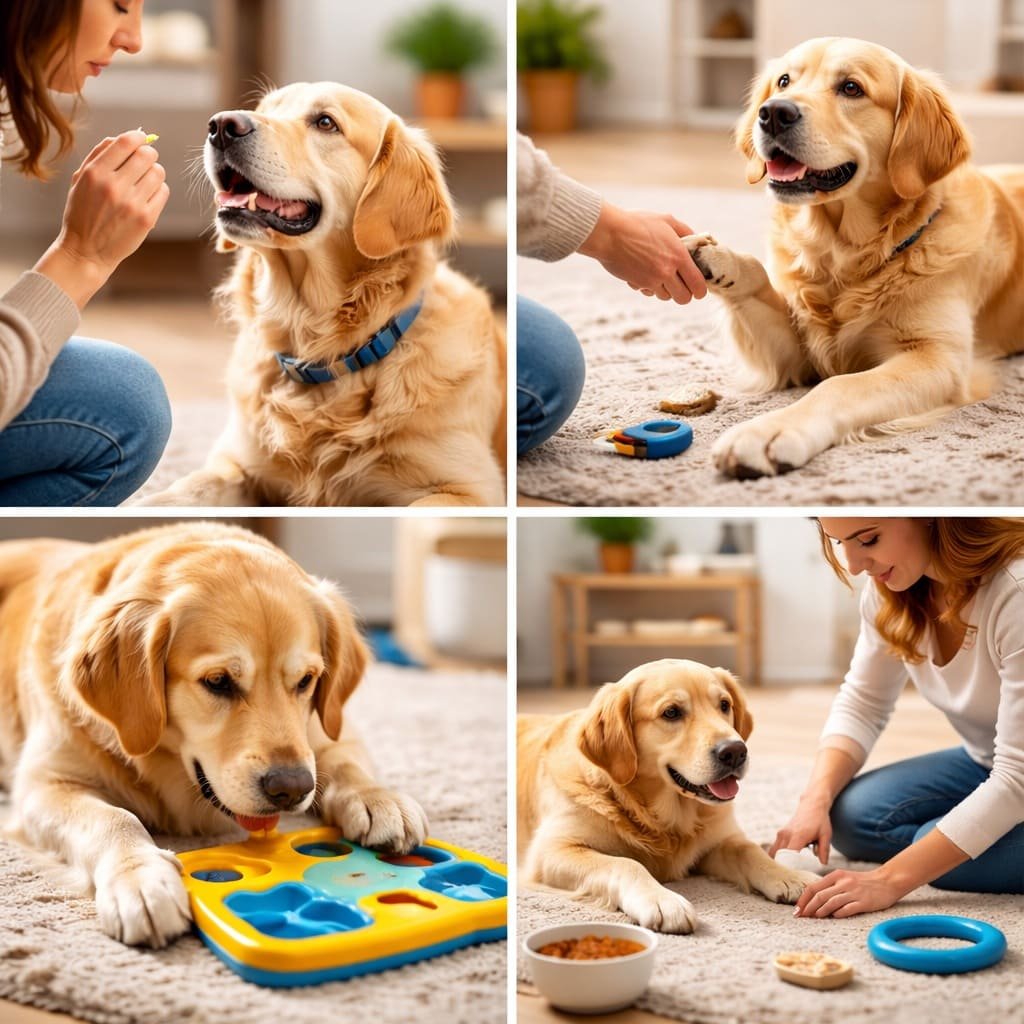
The saying “you can’t teach an old dog new tricks” has been repeated for generations, but modern canine behavior science proves otherwise. Dogs remain capable of learning throughout their lives. While puppies may learn faster, senior dogs can still master new commands, behaviors, and routines with the right approach.
Training an older dog is not only possible — it can strengthen your bond, improve mental stimulation, and enhance your dog’s overall well-being.
Yes. Dogs continue to form new neural connections as they age. This ability, known as neuroplasticity, allows them to adapt and learn even in their senior years.
Older dogs may take a bit longer to learn new behaviors, but they often compensate with:
With patience and consistency, senior dogs can successfully learn new skills.
Training isn’t just about obedience — it supports your dog’s mental and physical health.
Key benefits include:
Mental stimulation: Learning new tasks keeps the brain active and helps prevent cognitive decline.
Improved behavior: Training can correct unwanted habits developed over time.
Stronger bond: Working together builds trust and communication.
Confidence boost: Learning builds self-assurance and reduces anxiety.
Older dogs can learn both practical skills and fun tricks.
Useful behaviors:
Fun tricks:
Age does not limit learning potential — only the training method matters.
Training older dogs requires a slightly different approach.
Energy levels: Senior dogs tire faster and benefit from shorter sessions.
Physical limitations: Joint stiffness or reduced mobility may limit certain movements.
Learning pace: Older dogs may need more repetition and patience.
Established habits: Behavior patterns may take longer to change.
Adapting training to your dog’s comfort ensures success.
Reward good behavior with treats, praise, or affection. Positive reinforcement builds motivation and trust.
Train in 5–10 minute sessions to avoid fatigue.
Avoid tricks that strain joints, such as repeated jumping or standing.
Older dogs may need extra repetition, but consistency leads to progress.
Minimize distractions to help your dog stay focused.
Hearing or vision loss: Use hand signals and gentle touch cues.
Arthritis or stiffness: Train on soft surfaces and avoid high-impact activities.
Short attention span: Use high-value treats and end sessions on a positive note.
Stubborn habits: Redirect behavior rather than punish mistakes.
Understanding your dog’s physical and emotional needs is key.
Beyond traditional training, mental stimulation keeps older dogs sharp.
These activities support cognitive health and prevent boredom.
The best time is now. Whether you’ve adopted an older rescue dog or your long-time companion is aging, training can begin at any stage of life.
Consistency and kindness matter far more than age.
The idea that older dogs cannot learn is a myth. With patience, compassion, and the right techniques, senior dogs can learn new tricks, adapt to new routines, and continue to grow mentally and emotionally.
Training is more than teaching commands — it’s about enriching your dog’s life, maintaining mental health, and strengthening the bond you share. No matter your dog’s age, learning together can be one of the most rewarding experiences you’ll have.
Q1. Can senior dogs really learn new tricks?
Yes, dogs can learn throughout their lives. Older dogs may learn slower, but they can still master new commands and behaviors.
Q2. How long should training sessions be for older dogs?
Short sessions of 5–10 minutes work best to prevent fatigue and keep your dog engaged.
Q3. What are the best tricks to teach a senior dog?
Simple tricks like shake hands, sit, stay, and scent-based games are ideal and gentle on joints.
Q4. Is it harder to train an older dog than a puppy?
Older dogs may take more time due to established habits, but they often focus better and stay calmer during training.
Q5. How does training benefit senior dogs?
Training provides mental stimulation, boosts confidence, strengthens bonding, and helps slow cognitive decline.
Image Credits: Created by ChatGPT using DALL·E (OpenAI).
To know more about our platform, visit our About Us page.


Comments