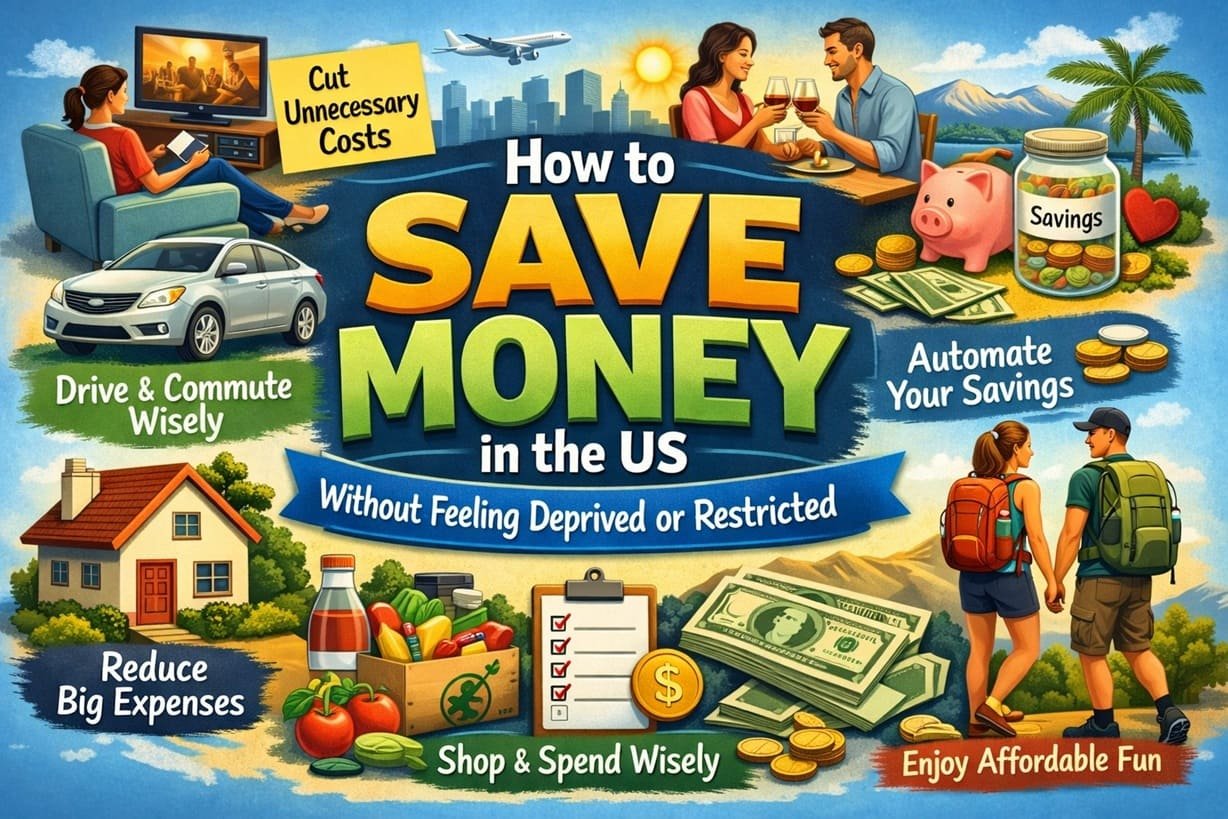
Saving money often gets framed as a strict lifestyle overhaul filled with sacrifice and constant “no’s.” But in reality, building financial stability doesn’t require eliminating everything you enjoy. The key is to align spending with what truly matters while trimming wasteful habits that don’t add value to your life. When done thoughtfully, saving money can actually increase your sense of control and peace of mind rather than create feelings of restriction.
Traditional budgets fail because they feel like punishment. Instead of cutting everything, start by identifying your top priorities — whether that’s dining out once a week, streaming entertainment, travel, or hobbies. Allocate money to those intentionally, then reduce spending in areas that bring little satisfaction, such as unused subscriptions or impulse purchases.
A simple method many Americans find effective is the 50/30/20 rule:
50% for needs, 30% for wants, and 20% for savings or debt repayment. This keeps enjoyment in your life while ensuring financial progress.
Small recurring charges can quietly drain your bank account. Subscription services, convenience fees, app purchases, and delivery charges often go unnoticed.
Review your bank statements monthly and ask:
Cutting just two unused subscriptions can save $20–$40 per month without any lifestyle impact.
The biggest opportunities for savings often come from housing, transportation, insurance, and utilities.
Housing: Refinancing a mortgage, negotiating rent, or moving slightly outside city centers can significantly reduce costs.
Transportation: Combining errands, carpooling, or switching to a more fuel-efficient vehicle lowers monthly expenses.
Insurance: Comparing quotes annually can save hundreds of dollars.
Utilities: Smart thermostats and LED lighting reduce energy bills without affecting comfort.
These changes maintain your lifestyle while lowering recurring expenses.
Saving money doesn’t mean avoiding fun — it means spending strategically.
These small adjustments can save hundreds annually without reducing enjoyment.
Food and entertainment are essential for social life and mental health. Instead of eliminating them:
You still enjoy experiences — just at a lower cost.
One of the most effective strategies is to automate savings transfers immediately after payday. When money moves into savings before you see it, you naturally adjust spending habits.
Start with:
Automation removes decision fatigue and builds financial security effortlessly.
Before making purchases, ask yourself:
Spending aligned with values increases satisfaction and reduces regret.
As income grows, expenses often rise to match it. Instead of upgrading everything, direct raises and bonuses toward savings and investments while maintaining your current lifestyle. This is one of the fastest ways to build wealth.
Saving money should feel empowering, not restrictive. Schedule affordable pleasures — movie nights at home, nature hikes, library books, or hobby time — so your life remains rich even as spending decreases.
Saving money without feeling deprived is about balance, not denial. By prioritizing what truly matters, eliminating wasteful expenses, and making mindful choices, you can strengthen your finances while maintaining a fulfilling lifestyle. Over time, these small, sustainable habits create lasting financial freedom — allowing you to enjoy today while preparing confidently for tomorrow.
Q1. How can I save money if I already live paycheck to paycheck?
Start small by tracking expenses and cutting one or two non-essential costs. Even saving $10–$20 weekly builds momentum and financial confidence.
Q2. What is the easiest way to reduce monthly expenses in the US?
Review subscriptions, compare insurance rates, and reduce utility usage. These areas often provide quick savings without changing your lifestyle.
Q3. Should I stop dining out to save money?
Not necessary. Limit frequency, choose deals or happy hours, and set a monthly dining budget so you can still enjoy meals out responsibly.
Q4. How much should I save each month?
Aim for at least 20% of income if possible, but any consistent amount helps. Start small and increase contributions as your finances improve.
Q5. Does using cashback and rewards cards really help save money?
Yes, if used responsibly. Paying balances in full avoids interest while earning rewards and cashback on everyday purchases.
Image Credits: Created by ChatGPT using DALL·E (OpenAI).
To know more about our platform, visit our About Us page.


Comments