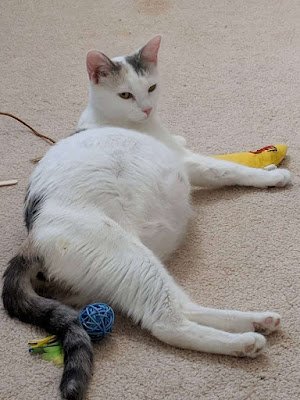
If your pregnant cat has suddenly become restless, clingy, or unusually quiet, you may be wondering whether she's feeling anxious before giving birth. The short answer is yes—many cats show signs of anxiety or nervousness in the days and hours leading up to labor. This is a natural part of the birthing process and is usually nothing to worry about.
Understanding your cat's behavior during pregnancy can help you provide the comfort and care she needs while ensuring a safe environment for both the mother and her kittens.
Yes, many pregnant cats become anxious before giving birth. As labor approaches, hormonal changes and natural instincts encourage them to find a secure, quiet place to deliver their kittens. During this time, it's common for their behavior to change.
Some cats become more affectionate and seek constant attention, while others prefer solitude and may hide. Every cat reacts differently, but mild anxiety is considered normal during the final stage of pregnancy.
Several factors contribute to a cat's anxiety before giving birth.
As your cat nears labor, her hormone levels shift dramatically. These changes prepare her body for delivery but can also affect her mood and behavior.
Pregnant cats have a strong instinct to create a safe, comfortable place for their kittens. If they can't find a suitable nesting area, they may appear restless or stressed.
Carrying several kittens can be physically exhausting. In the last week of pregnancy, your cat may feel uncomfortable due to the extra weight and pressure on her abdomen.
Changes in the home, loud noises, unfamiliar visitors, or other pets can increase stress during this sensitive time.
As labor gets closer, you may notice one or more of these behaviors.
Your cat may pace around the house, repeatedly change sleeping spots, or seem unable to settle down.
Many pregnant cats search for quiet, dark places such as closets, under beds, or inside boxes to prepare for delivery.
Some cats become extra affectionate, following their owners everywhere and seeking comfort through petting or cuddling.
It's common for cats to eat less during the final 12 to 24 hours before labor begins.
Your cat may spend more time grooming herself, especially around her belly and genital area.
Some cats meow more than usual as they experience discomfort or seek reassurance.
She may scratch blankets, rearrange bedding, or repeatedly inspect the nesting box you've prepared.
Behavioral changes can begin several days before labor, although they often become more noticeable during the last 24 to 48 hours.
As labor approaches, your cat may:
These signs usually indicate that birth is approaching.
Supporting your cat during this time can make the birthing process less stressful.
Provide a clean, quiet box lined with soft blankets or towels. Place it in a peaceful room away from children and other pets.
Avoid loud music, parties, unnecessary visitors, or major changes around your home during the final days of pregnancy.
Allow your cat to decide whether she wants company or privacy. Some cats enjoy gentle attention, while others prefer to be left alone.
Even if her appetite decreases, keep fresh food and clean water available at all times.
Do not constantly pick up or move your pregnant cat unless absolutely necessary.
Observe her from a distance and watch for signs that labor has started.
Knowing the difference between anxiety and active labor is important.
Common signs of labor include:
Once labor begins, most cats instinctively know what to do.
While mild anxiety is normal, certain symptoms require immediate veterinary attention.
Contact your veterinarian if:
Prompt veterinary care can help prevent serious complications.
Yes. Severe stress can interfere with labor and may increase the risk of complications. That's why providing a calm, secure environment is one of the best ways to support your cat.
Avoid unnecessary disturbances and let her feel safe throughout the birthing process.
It is completely normal for cats to feel anxious before giving birth. Restlessness, hiding, nesting, increased affection, and changes in appetite are all common signs that labor is approaching. By creating a quiet, comfortable space and respecting your cat's natural instincts, you can help her feel safe and supported during this important time.
Keep a close eye on her behavior, but remember that most cats give birth without complications. If you notice any warning signs or unusual symptoms, don't hesitate to contact your veterinarian. With proper care and a calm environment, your cat is likely to have a smooth delivery and welcome her kittens safely into the world.
Q1: How many days before birth do cats start nesting?
Most cats begin nesting one to three days before giving birth, although some may start earlier.
Q2: Is it normal for a pregnant cat to hide?
Yes. Hiding is a natural instinct that helps protect newborn kittens from potential threats.
Q3: Should I stay with my cat while she gives birth?
Stay nearby in case she needs assistance, but avoid interfering unless there is an emergency. Most cats deliver their kittens without human help.
Q4: Why is my pregnant cat meowing so much?
Increased vocalization may be caused by discomfort, anxiety, or a desire for reassurance as labor approaches.
Q5: Can I move my cat to another room before labor?
It's best to prepare a nesting area early and allow your cat to choose it on her own. Moving her at the last minute can increase stress.
Comments